Spray Booth Conditions: Why Temperature and Humidity Matter
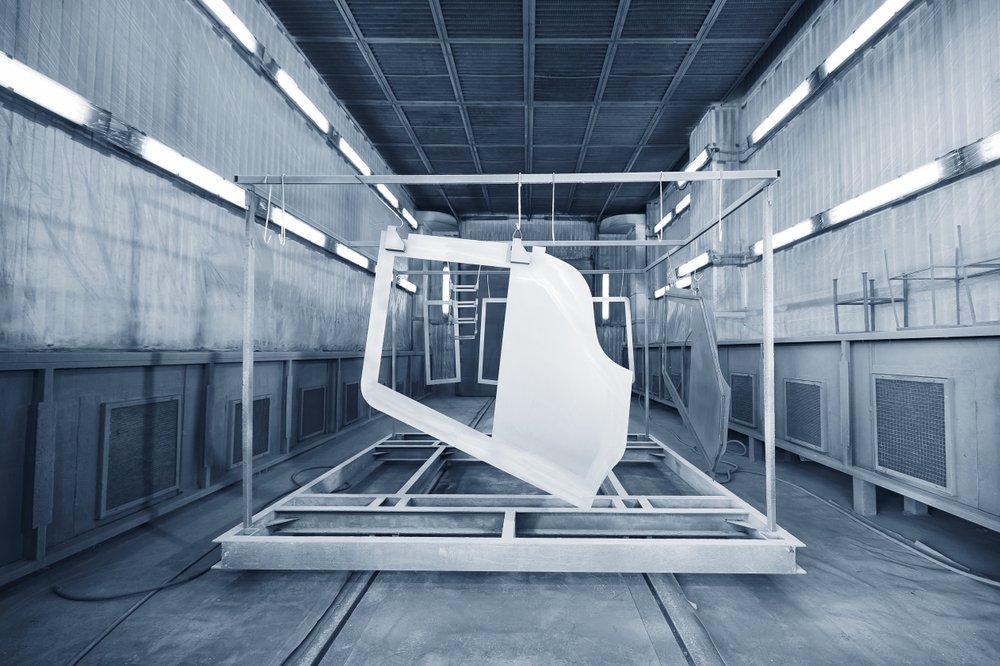
At Legacy Coatings, we tell shops that you can buy the finest paint available and still get a poor result if your spray booth conditions are wrong. Temperature, humidity and airflow quietly govern how every coating flows out, flashes off and cures. In Alberta, where winters are harsh and shops vary widely, controlling the booth […]
Automotive Masking Techniques for Clean, Sharp Paint Lines
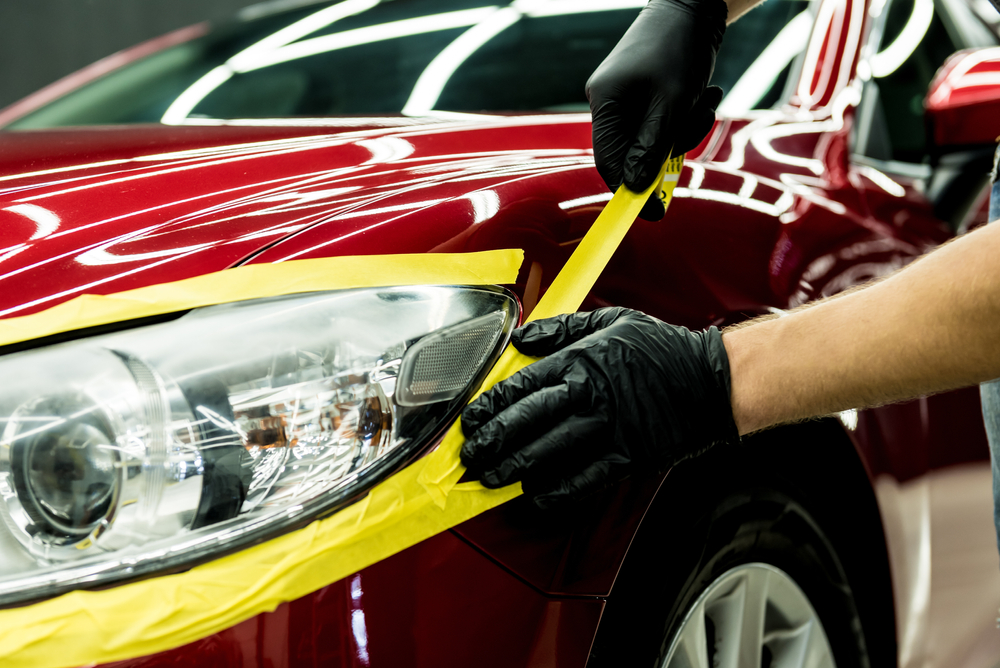
Legacy Coatings helps shops get sharp, clean edges through smart automotive masking on every paint job. A great color and a flawless spray still fall apart if the masking bleeds or lifts. Clean lines separate a professional refinish from a redo. This guide walks through the materials, the technique, and the small habits that protect […]
Epoxy vs. Polyaspartic Coatings: Industrial Application Guide
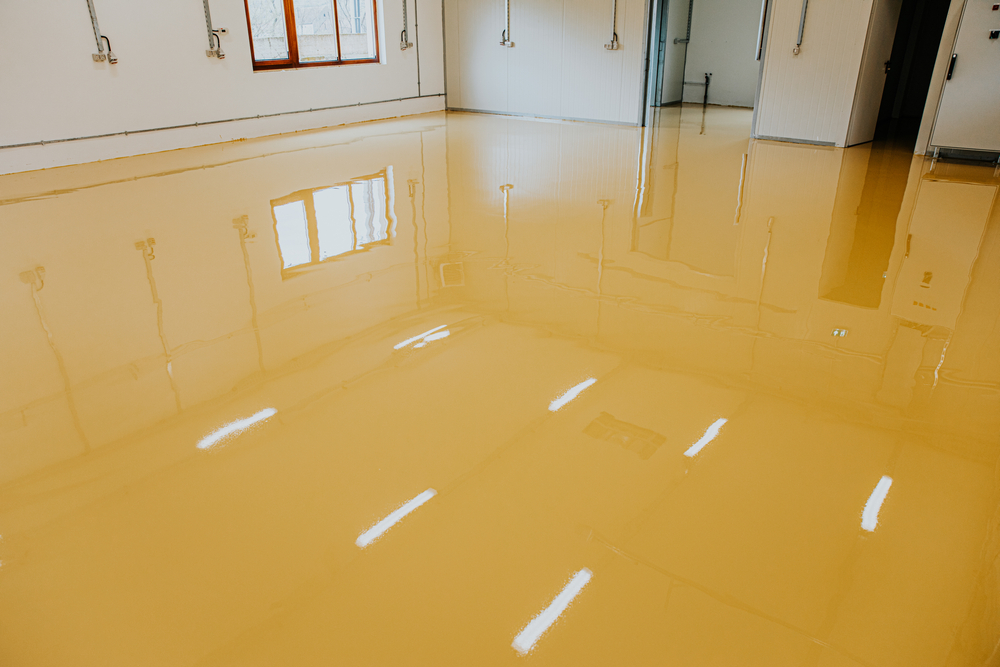
Your warehouse floor needs protection. You get competing quotes—some recommend epoxy, others push polyaspartic. You’re not sure which performs better or lasts longer. Both work, but they’re not interchangeable. Consequently, choosing wrong means premature failure and wasted investment. Legacy Coatings & Supplies works with industrial clients constantly weighing these options. The honest answer? Your choice […]
Adhesion Promoters: Why They Fail and When You Really Need Them
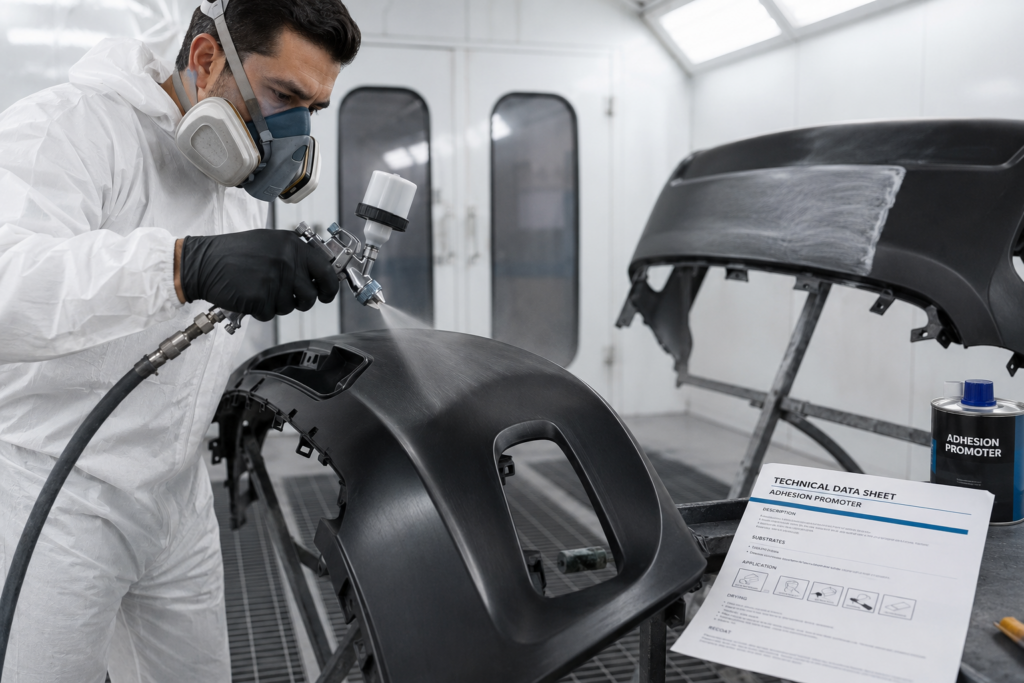
You spray adhesion promoter on plastic trim before primer. Two weeks later, it peels off. You blame the promoter. That’s usually wrong. Adhesion promoter failures rarely come from the product itself—they come from you. Legacy Coatings & Supplies hears this complaint weekly from collision shops. Technicians assume promoters are miracle workers. They’re not. Consequently, misunderstanding […]
Waterborne vs. Solvent Paint: Which System Works Best?

Your collision shop faces a crossroads. You’ve been running solvent-based paint systems for years. Now shops around you switch to waterborne. You wonder: should you make the jump? The answer isn’t simple, but Legacy Coatings & Supplies helps you decide what works best for your operation. Both systems produce professional results. However, they differ in […]
Waterborne vs. Solvent: Which Fits a Summer-Heavy Shop Schedule?

Summer brings busier schedules for most collision repair shops. Therefore, the choice between waterborne and solvent-based systems matters more during these peak months than many shops initially consider. Legacy Coatings helps shops weigh this decision based on real summer production demands. This post compares both systems specifically for summer’s unique scheduling and environmental pressures. Why […]
Why Heat and Humidity Change How Basecoat Cures This Summer

Summer shop conditions change more than just comfort levels. Heat and humidity shift how basecoat actually cures on the panel. Legacy Coatings hears from shops every summer wondering why a product that worked perfectly in spring suddenly behaves differently. This post breaks down what’s actually happening, and how to adjust your process accordingly. Why Cure […]
Primer vs. Sealer vs. Surfacer: When to Use Which One
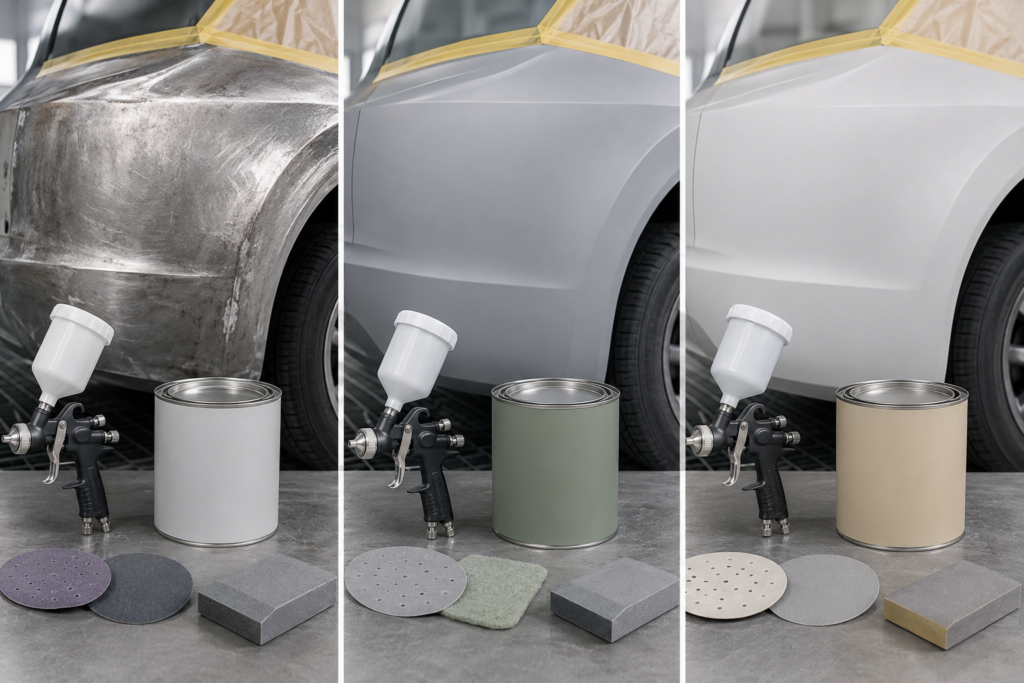
If you’ve ever asked a body shop what goes on your car before the paint — and gotten a slightly vague answer — you’re not alone. Most people know “primer” goes on before paint. However, the difference between a primer, a sealer, and a surfacer is genuinely confusing, even to people who’ve been around cars […]
Choose the Right Basecoat for Your Collision Repair Shop

If you’ve ever dropped your car off at a body shop and wondered what actually goes into making the paint look right — basecoat is where that story starts. It’s the layer of color that goes onto your vehicle before the shiny protective coat on top. Choosing the right one makes a big difference in […]
Surface Protection Systems That Hold Up Under Pressure

Industrial surface protection systems are essential when equipment, structures, and surfaces face constant stress, abrasion, and harsh environments. At Legacy Coatings, we see how the right system prevents early failure and keeps operations running without costly downtime. Therefore, choosing the correct coating approach is not just about appearance but long-term durability and protection. A well-planned […]